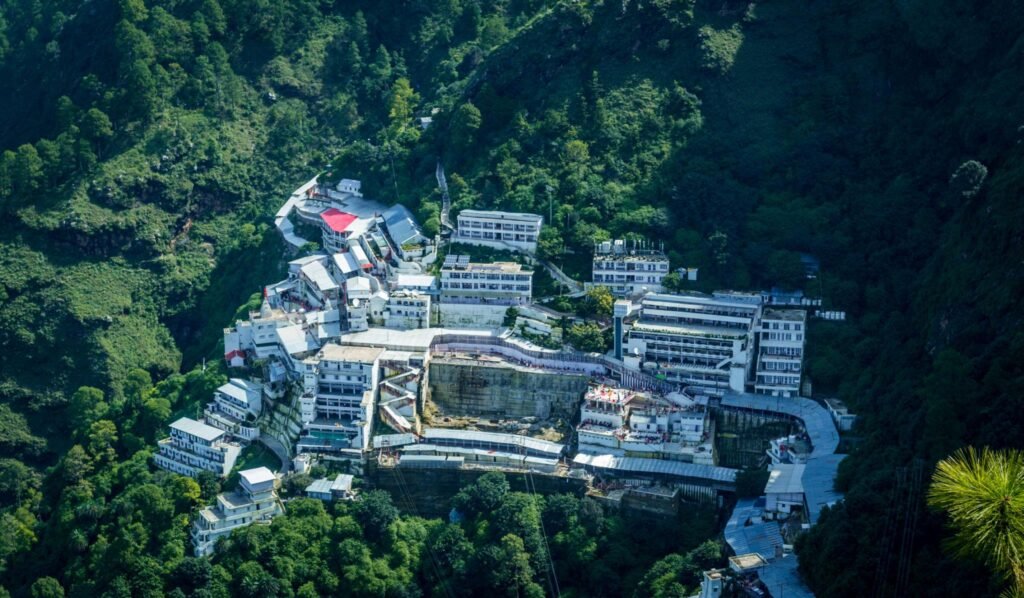
Vaishno Devi Yatra is one of the most sacred Hindu pilgrimages in India.
Enshrined in Trikuta mountains at the feet of Katra in Jammu and Kashmir, the holiest shrine brings in millions of devotees every year.
The Vaishno Devi pilgrimage is not only a great spiritual experience but also a nice exposure to the breathtaking Himalayan hills, serene environment and rich cultural life of the Jammu region.
Detailed Vaishno Devi Yatra Tour packages provided by Kapil Tour and Travels allow pilgrims to experience a pleasant, organized visit. The service covers transport, lodging, and customized tour facilities along with many other amenities.
Benefits of Vaishno Devi Yatra with Kapil Tours and Travels
If your traveling schedule, accommodation, and other facilities are arranged well beforehand, it will make pilgrimage journey less of a hassle for you.
Support Provided by us during your journey
- Comfortable Transportation Facilities
- Hotel Booking and Accommodation
- Devotional Trips to Vaishno Devi Shrine
- Family and Group Travel Options
- Planning Trips Based on Specific Requirements
- Pick-up and Drop Services
- Spiritual Journey Planning
- Sightseeing Options in Jammu
- Flexible Budget Packages
- Travel Consultation & Support Services
Introduction of Mother Vaishno Devi
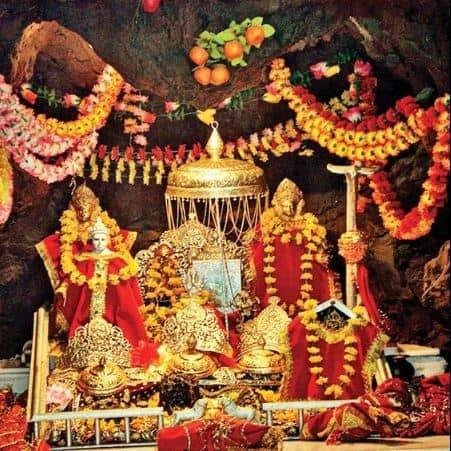
Mother Vaishno Devi stands for one of the topmost Hindu pilgrimage places in the Indian northwest. In fact, the sacred temple is carved into a cavity of a cave which is about 5, 200 feet from the ground in the Trikuta Mountains.
The pilgrimage starts from Katra and ends at the Bhawan, the holy place where the blessed stone of goddess Vaisho Devi is displayed.
The journey is considered a sacred act which people do with full devotion and hence the pilgrimage has equal meaning for all types of travelers, from families to groups, elderly couples to individual seekers.
Route to Vaishno Devi Yatra
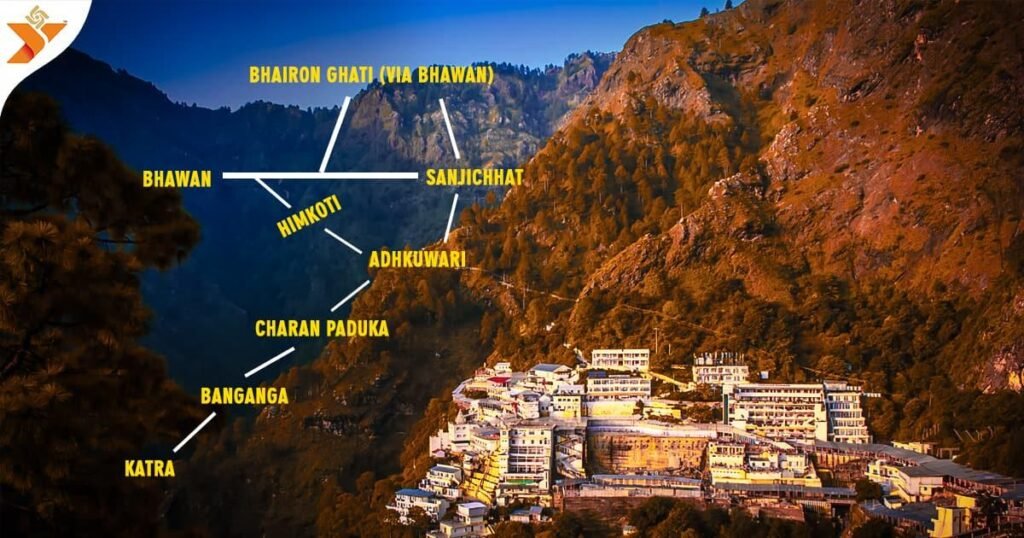
The trip is mainly organized from Katra, the largest town in the valley.
Popular Route
Katra –> Banganga –> Charan Paduka –> Adhkuwari –> Himkodi –> Pari Chhat –> Bhawan
One of the challenging aspects of the pilgrimage in Vaishno Devi is the steep walk through Trikuta mountains. The pilgrims are given the choice to avail approved facilities like battery driven carts, ponies, palkhis, and helicopter service, where permissible, and as per the Shrine Board regulations.
Popular Destinations During the Journey to the Shrine of Mata Vaishno Devi
1. Katra
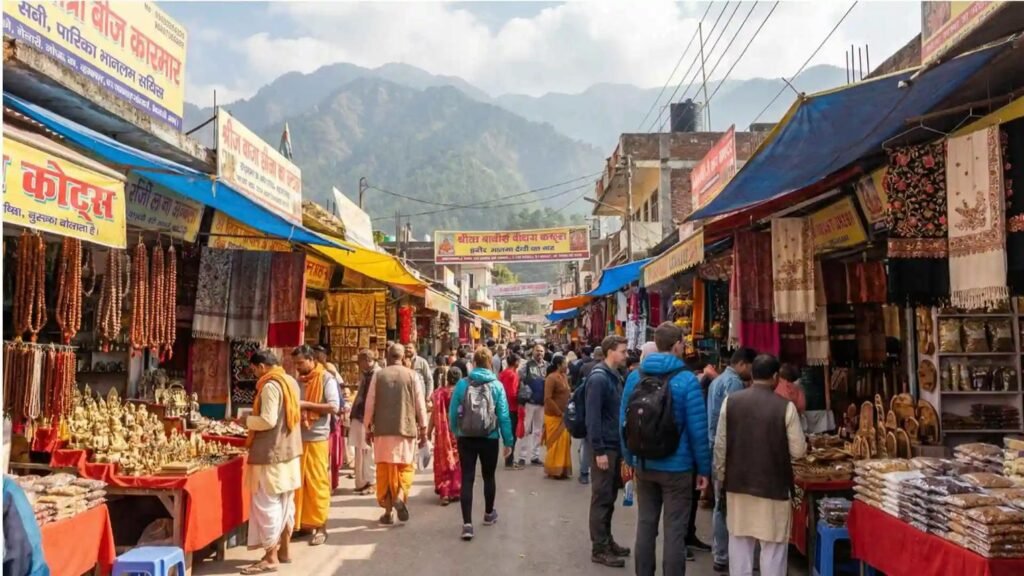
As the most popular base, Katra is the main place where devotees stay before the Yatra starts.
If you decide to travel here, this town is equipped for providing the services like hotel, restaurants, shops, and transport, to the pilgrims, etc. Hence, making it not only a convenient but also a great tourist destination.
2. Banganga
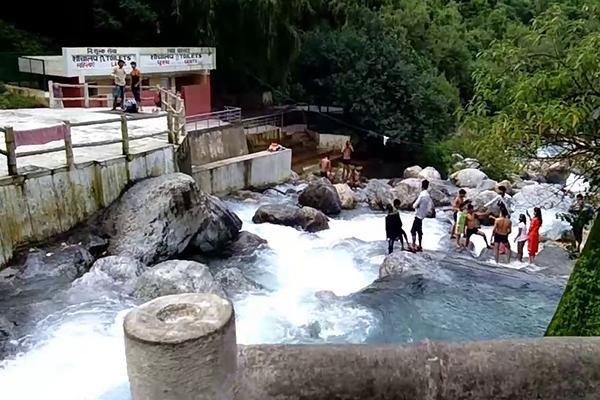
This pilgrimage village is one of the most important points for pilgrims walking from Katra. On arrival here, there are several religious activities for pilgrims that will take up time like performing rituals in rivers, offering food, etc.
If the devotees are going on foot to the temple, then a stop at Banganga for an overnight would be the choice they could make.
3. Charan Paduka
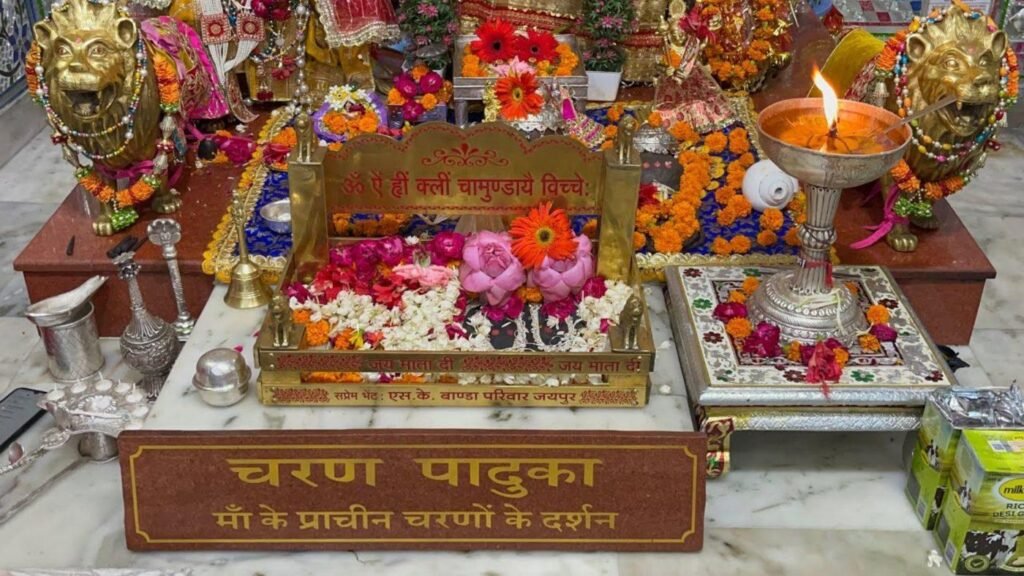
It is a sacred place that pilgrims often visit on the way towards the shrine of Mata Vaishno Devi that is at an altitude of around 5200 meters or about one mile higher than the level of the sea. It is at this particular spot that the followers believe that the Divine Mother once placed her feet.
Most people visiting the place will have a photo or will get an imprint of the foot made as a token of pilgrimage. One can also see the shrine of Mata Kali here.
4. Ardhkuwari (Half Mile) or Adhkuwari
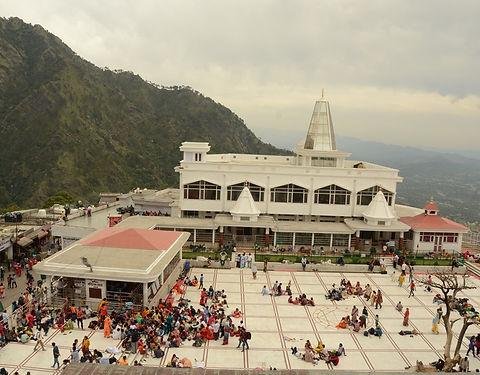
Garbha Joon means pregnant mother and it is the name of a cave situated in Adhkuwari area which is also the place near to a temple. It is this cave and temple which is the biggest spiritual landmark after starting the pilgrimage and devotees have been attracted to these two things.
The holy site of Ardkuvari has been attracting the devotees all the more with its serene atmosphere, the beautiful view of the surroundings as a background. and its peaceful ambience.
5. Himkoti
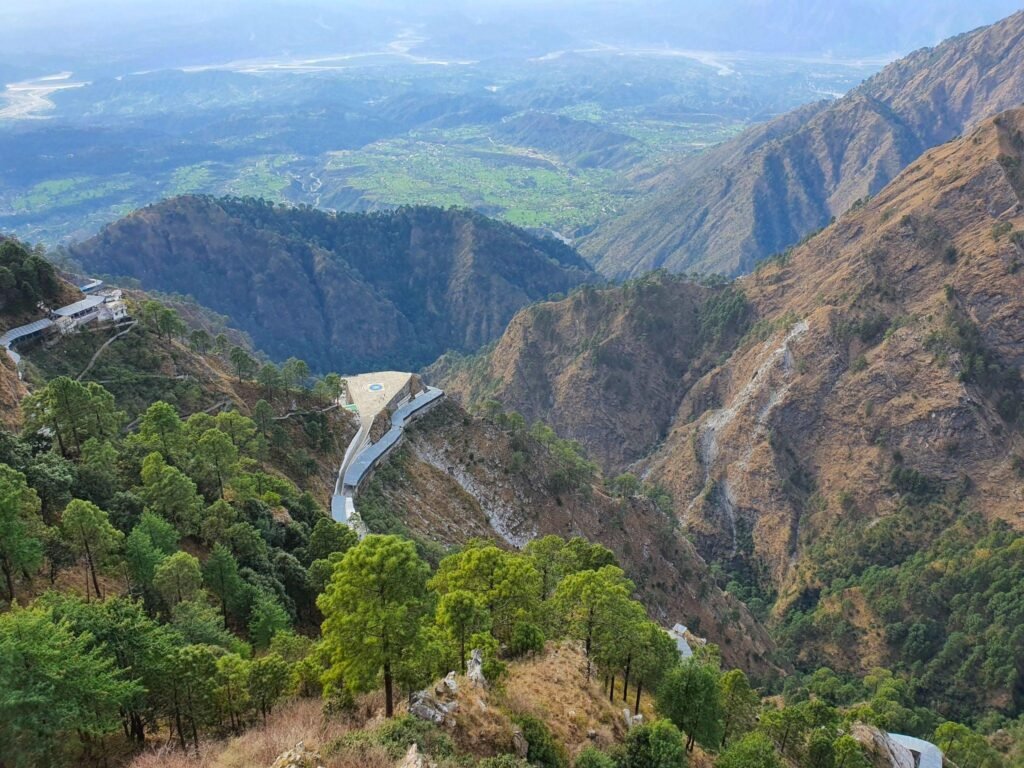
Being a famous Himalayan view spot, Himkoti offers the most stunning and majestic views of the natural landscape around you. It can be also used as a resting place while the view still continues to be your background.
The recent Himkoti route has been upgraded with much better facilities for pilgrims.
6. Sanjichhat
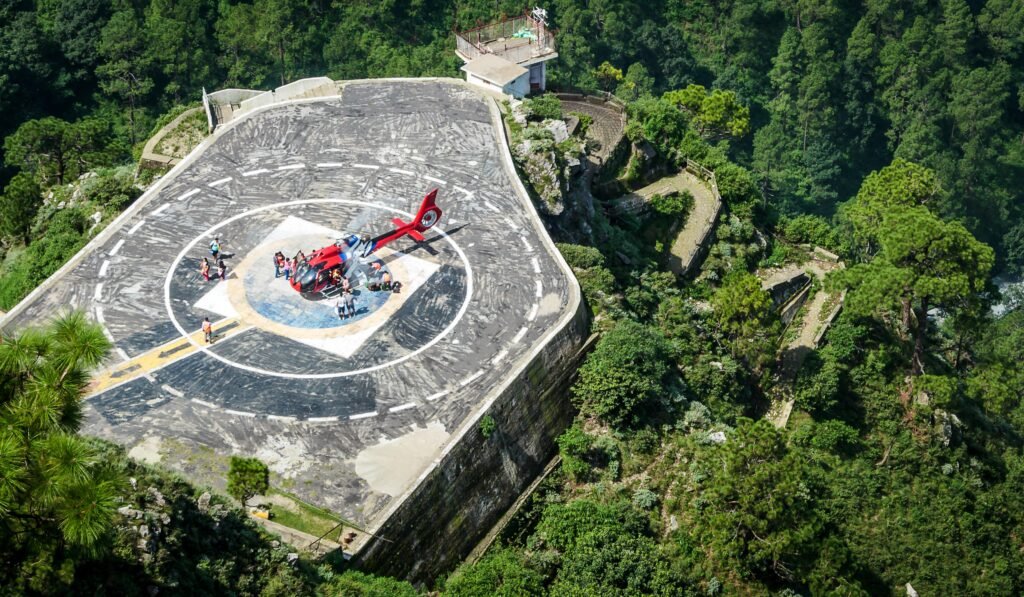
Sanjichhat is a significant place that one passes during the last leg of the journey towards the cave-shrine of Vaishno Devi.
Apart from being on the ground floor route to Vaishno Devi, a special aerial way has also been established here, from which a helicopter will carry the devotee straight to the Devi’s seat at an altitude of approximately 5259 ft.
It has been said time and again about the views of the snow-covered peaks and the beautiful landscapes offered by Sanjichhat. The place certainly deserves a spot on any traveler’s itinerary.
7. Vaishno Devi Cave (Devi Bhawan)
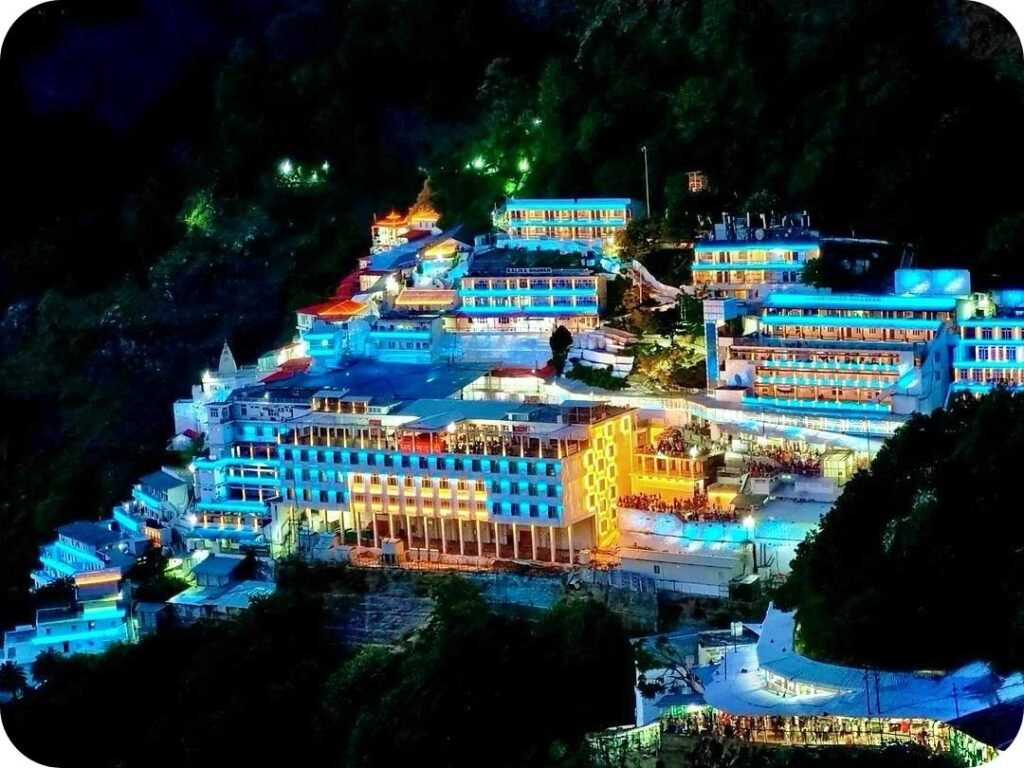
The Vaishno Dewi Shrine Complex, also known as Devi Bhawan, is where pilgrims end their pilgrimage. It is located at about 5 kilometers from Sanjichhat and about 45 km from Katra.
This is where the pilgrims get their wish fulfilled. It must be noted that Devi Bhawan has become very popular and is attracting many people every year.
8. Bhaironnand
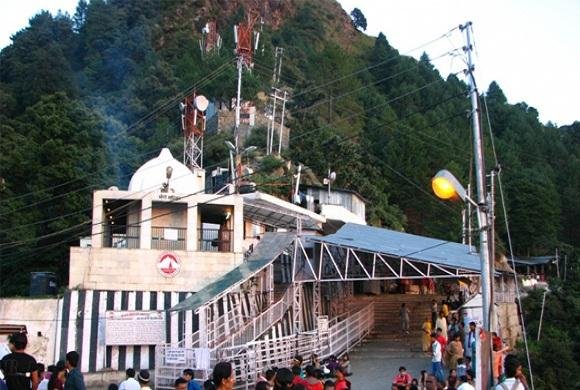
Mahadeo and Bhima, the sons of Sati Shiva, founded the temple.
Bhairon temple also stands at the foot of Vaishno Dewi cave and serves the people who are not able to climb to the cave because of old age or health issue but still, they wish to visit the place of worship. As this is the closest place to the Devi’s abode, it is also considered as one of the most important religious sites for pilgrimage.
One of the famous features is that it contains a sacred spring, which is believed to have miraculous healing properties. Also, the temple has a shrine for Goddess Durg.
Vaishno Devi Yatra via Helicopter
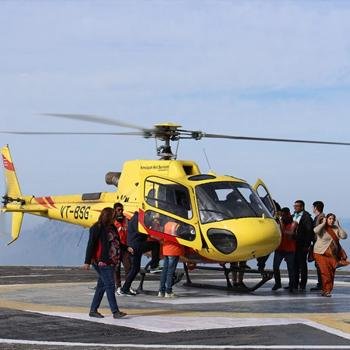
Helicopter services can be a faster way of reaching the destination for those pilgrims who would be unable to cover the complete trek by foot.
The helicopter route used most frequently is between Katha and SanjuChhat. After getting down there the pilgrims follow the permitted path till the shrine at Bhawan.
Helicopter operations are weather, availability, rules and official timetable dependent Travelers are advised to make bookings strictly through authorized channels and to get the current updates.
Vaishno Devi Yatra by Helicopter
Electrical battery-powered cars are likely to be made use of only along certain portions of the pilgrimage road and that too only as and when the management of the shrine has decided and provided accordingly.
Such facilities may be extremely helpful for a category of pilgrims whose condition does not allow them to walk for a very long time.
The details of availability points to load the passenger, pricing could get adjusted at any time, it is recommended that the traveler should consult the official website or get in touch with the concerned office of the management to get the information about these points before starting the travel plans.
Capturing the Ideal Time for Vaishno Devi Yatra
Normally, any time is acceptable except for one or two months for visiting the Vaishno Devi shrine; however, the atmosphere that one experiences is different in each of the four seasons.
Season 1 (March May)
Weather is pleasant and the time in such conditions is the most sought after for religious and sightseeing activities.
Season 2 (June September)
Degree of heat in Katra may be unbearable and thus travel by helicopter or train could also be advisable if not very necessary or convenient; however at a higher elevation the weather is comparatively more moderate.
For the sake of one’s comfort it might be a good idea to take an early morning or an evening ride.
Season 3 (October November)
After the heavy monsoon rains the weather turns cool and clear allowing the pilgrims to enjoy the snow-capped Himalayas.
Season 4 (December February)
During winter the temperature may drop below freezing point, the higher level sections of the route being the coldest ones, therefore it’s vital to bring along with you very warm clothes for the journey.
A Vaishno Devi Yatra Itinerary Proposal
Day 1 – Delhi to Katra
Start your journey from Delhi and travel toward Katra by the selected transportation option. Check into your hotel and relax.
Day 2 – Katra to Vaishno Devi Bhawan
Leave Katra for the pilgrimage, stop at Banganga and Charan Paduka and then proceed toward the temple in Bhawan.
Do complete darshan and stay at either an individual cabin or a dormitory depending on the accommodation plan one has decided to follow.
Day 3 Bhairon Temple & Katra
If the weather and your condition permit you may visit the Bhairon Temple but otherwise simply take the route back to Katra.
Day 4 Katra Exploration / Heading towards Delhi
If the situation at your hotel has allowed you to have a free morning, you may plan an excursion and visit some beautiful sightseeing centers or else simply take the flight from Kathua to Delhi.
Vaishno Devi Yatra from Delhi
Vaishno Devi Yatra from Delhi is an exciting choice for families and groups to make a pilgrimage to the holy abode of Vaishno Devi. A sample trip may involve:
Delhi → Ludhiana → Jalandhar → Pathankot → Jammu → Katra
The mode of travel and type of accommodation can vary depending upon the chosen package.
Contact Kapil Tour and Travels to create a Delhi to Katra itinerary as per your convenience, family composition and affordability.
Vaishno Devi Family Tour
Family trip to Vaishno Devi is a wonderful blend of spirituality and a chance to be together again as a family. The following aspects should be taken care of:
- Distance that can be covered while walking
- Environmental conditions including temperature and precipitation
- The site of the accommodation
- Provision for children
- Easing of the experience for elderly
- Management of the luggage
- Periods of rest along the way
A well-planned itinerary with different activities suited to the tastes and age of the family members will enhance the enjoyment of the trip.
Vaishno Devi Yatra for Senior Citizens
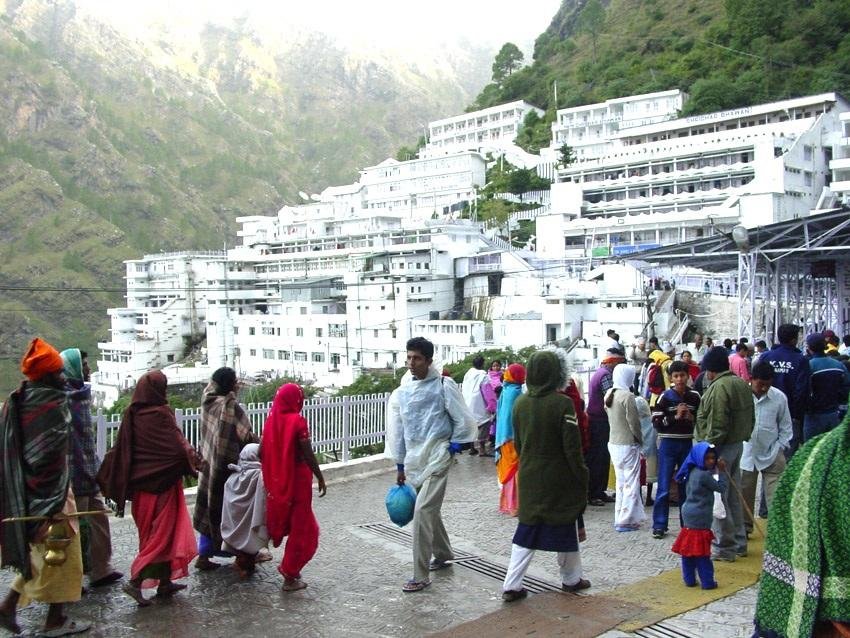
While it is definitely possible for senior citizens to undertake pilgrimage of Vaishno Devi, it is very important to consider physical condition of the pilgrims. The pilgrims can opt for the use of the designated vehicles on the permitted parts of their yatra as and when permitted.
Seniors should evaluate their health before traveling and if in doubt consult a qualified medical practitioner in advance.
What to Take along with You for Vaishno Devi Yatra?
Items You Must Have
- A pair of soft and comfortable shoes
- Clothes suitable for the climate
- A small pack
- Protection against rain if needed
- Your medication
- A refillable bottle containing water
- Proof of identity
- Cellphone and charger
- Mobile power pack (power bank)
- Toiletries kit that covers the essentials
- Dark glasses to shield eyes from the sun
- A small first-aid kit
Do not take along heavy bags when going on the pilgrimage.
Important Advice for Vaishno Devi Yatra
1. Fulfil Document Obligations
Refer to and comply with the most current directives related to registration and yatra-pass by the Shrine Board.
2. Verify Forecast
Changing weather may make the trails slippery or affect bus and jeep services.
3. Begin at Sunrise
Starting off at a dawn can greatly improve the overall pilgrimage experience, especially during the high season.
4. Dress to Suit
With your feet constantly on the ground, it is important to have footwear that is comfortable and durable.
5. Keep Hydrating
Don’t forget to carry drinking water and rest your limbs regularly.
6. Don’t Overload with Luggage
You will find that carrying a little load in a lightweight travel bag is very helpful for walking.
7. Follow Shrine Board Rules
Follow all instructions relating to darshan, photography, accommodation, transportation and security.
8. Respect the Environment
Avoid littering and help keep the pilgrimage route clean.
FAQs, Vaishno Devi Yatra Tour & Travels
1. Where is Vaishno Devi Temple located?
Mata Vaishno Devi Bhawani Temple is also called the “Vaishno Devi Temple.” It is situated in the heart of the Trikuta Mountains, at a distance of nearly 55 km from Katra City in Jammu & Kashmir state of India.
2. Why is Vaishno Devi famous?
Vaishno Devi is one of the most holy places in Hinduism. Devotees come here from all over the country not only to see the idols and the caves that house the Goddesses but also to get blessed by Mata Vaishno Devi herself.
3. Where does the Vaishno Devi Yatra start?
Typically, the Vaishno Devi Yatra begins at Katra, a town on the hill of Jammu in northern India. Katra is the main departure point of the yatra or pilgrimage to the holy shrine of Vaishno Devi located in the Trikuta Mountains. The yatri or pilgrim proceeds on foot uphill through the forested mountain valley with three rivers, namely, Veshawari, Renuka, and Annapurna, along with a cave and a spring that are associated with the legend of Vaishno Devi.
4. How far is Vaishno Devi from Katra?
The Vaishno Devi Yatra starting point is the holy town of Katra whereas the main Temple/Bhawans of Vaishno Devi is located approximately 20 kilometers above Katra. Therefore, the pilgrims have to walk for the distance in the ascent which involves approximately 12 13 km, although the exact accessible route can change. However, some of the pilgrims also prefer to go partly through the motorable path and walk partly.
5. How long does the Vaishno Devi Yatra take?
The time factor, in this case, largely depends upon individual walking speed, number of rest stops, crowd density or even the type of transport. Usually, most of the visiting pilgrims complete their return trip within the same day; but if the visiting pilgrim wants to get the maximum benefit out of the pilgrimage and do everything with leisure and no rush, then the yatri may also take a few more days and not get disturbed about it. It’s all depending on your preferences.
6. What is the best time to visit Vaishno Devi?
Vaishno Devi can be approached during all four seasons, though different seasons present different weather and climatic conditions. For example, spring and autumn may offer relatively cooler and milder weather which could be quite comfortable. However, one should also be prepared for the heat of the day during summer when the sun is bright, heavy rainfall in the monsoon season, and the cold temperatures during the winter season.
7. Can I visit Vaishno Devi during winter?
Owing to the cold temperatures and snowfall in winter at the hill station, a few places on the route may get snowed or closed due to the cold temperature. Even the temple is accessible only via a steep walking path which would require the pilgrims to carry with them the necessary woolen clothes for the winter months. However, this route is still open. One will have to make sure about these things.
8. Can I visit Vaishno Devi during the monsoon season?
Yes, but during summer months like April, May and June when the monsoons are coming on the hills and the weather is unpredictable with sudden rains causing problems like water logging for the path, there could be heavy rains which might damage the pilgrimage route or the path getting slippery and dangerous. So before visiting one should check on the weather forecast and the condition of the path as well.
9. What is the Vaishno Devi Bhawan?
Bhawans is the term which is used to denote the temple, shrine or even the entire holy complex of a deity. So, the Vaishno Devi Bhawan refers to the main shrine (temple) of the Vaishno Devi at which the devotees take holy bath and then perform puja before offering donations. In fact, the entire yatra to seek the blessings of the Goddess culminates in reaching the shrine of the Goddess which is the destination of the entire pilgrimage. The devotee is able to see the holy shrine of a 15-18 foot idol of three goddesses which have emerged by the natural water stream and the cave.
10. What places are on the Vaishno Devi route?
On the Vaishno Devi route, there are some important places like Banganga, Charan Paduka, Adhkuwari, Himkoti, Sanjichhat and Bhawan that are visited or even stopped at by every pilgrim in order to either pray, bathe or take rest.
11. What banganga means?
It is one of the most significant stops on the ancient route from Katra to the Vaishno Devi shrine. The site has religious importance to the pilgrims.
12. What is Adhkuwari?
Adhkuwari is also called Ardhkuwari. It is considered a major pilgrim spot along the route towards the Garbha Joon cave.
13. What is Charan Paduka?
Charan Paduka is the name of a holy place in the pilgrimage path that holds the footprints of Mata Vaishno Devi.
14. What is Himkoti?
Along the newly constructed road leading to the shrine, Himkoti is a beautiful point. This place provides a panoramic view of mountains and valleys.
15. What is Sanjichhat?
It is a major point close to the shrine where visitors can also hire a helicopter to go up to Vaishno Devi temple.
16. Can I go to Bhairon Temple during Vaishno Devi Yatra?
Yes, Bhairon Temple is another religious spot located a bit farther from the shrine. Depending on the circumstances of the walk and accessibility, this place can be visited as a side trip by pilgrimage pilgrims.
17. Is the pilgrimage to Vaishno Devi appropriate for whole families?
Pilgrims of all types are a part of pilgrimage to Vaishno Devi and even whole communities can travel for the holy site. However, parents and families who come for pilgrimage should plan their trek taking into account the long distance and the weather.
18. Can a senior citizen undertake the Vaishno Devi Yatra?
The short answer is: yes, but a senior citizen must evaluate their physical condition, the distance they would be able to walk, the weather and the type of transportation assistance that will be available before starting the yatra.
19. Is there a helicopter facility to Vaishno Devi?
Helicopter services might get you from Katra to Sanjichhat or other designated locations. But this depends mainly on weather, availability (which can be very limited even if the facility exists) and regulations which also may change time to time.
20. Can I use the electric/ battery-powered vehicles?
On certain road sections, you may be able to use e-cycles or electric ricksha, assuming it is permitted by the Shrine Board and that the vehicle is registered for that use along that specific road and that the board of management allows its use.
21. Do they have animals or轿? (Horse or palanquin?)
Sacred animals, 轿 etc. may be on offer along permissible parts of the route. But one must always be prepared that availability may be different from what was expected earlier, rules may be updated from time to time etc.
22. What items am I carrying for theVaishno Devi Yatra?
Comfortable walkingshoes, clothing suitable for current weather, essential medicinal supplies as recommended by your doctor, documents like Aadhar card/PAN etc. which you may be asked to present on numerous occasions during the trip, raincoat, water bottle etc. all these items are essential for the yatra.
23. Do I need to carry lots of belongings?
No. It is a good idea to carry very few, only essential items with you and leave your main luggage with family or friends or pack it in boxes to be carried on your vehicle because you might be forced to walk a long stretch in very hard conditions during which it may get very difficult for you not only to carry your belongings but also your spirit.
24. Can I arrange the tour of Vaishno Devi from Delhi with Kapil Tour and Travels?
Yes. Kapil Tour and Travels will be able to help you arrange travel package that will enable you to visit Vaishno Devi, the details will depend on your preference but the agency will include transportation and accommodation details as a minimum.
25. Is family Vaishno Devi package available with Kapil Tour and Travels?
Yes. A variety of family Vaishno Devi packages will certainly be available that your family members will really like. These are not one size fits all type of packages. They can be tailor made to suite the needs of the family such as the number of members and date of departure as well as the type and quality of accommodation.
26. Does the tour company, Kapil, offer group packages for Vaishno Devi?
Yes. For a group, which may be composed of friends, relatives, members of religious communities or any other group of people who want to perform this pilgrimage together, Kapil, through the group package, plans out their itinerary, provides accommodation and other necessary facilities.
27. Will it be possible for you to make me a custom package for you?
Of course we will. Kapil’s travel team understands all types of needs including, for example, the type and quality of accommodations, budget constraints, size of a traveling group, the type and location of sights you would like to have in your itinerary besides your departure location, the date you plan on starting and finishing the whole thing.
28. Is it feasible to visit Vaishno Devi followed by some sightseeing in Jammu?
Your question has the affirmative answer! In the case of sufficient time being available, a Vaishno Devi visit may indeed include visiting some attractions in Jammu and also places that are in the vicinity.
29. What places are worth your trip near Katra?
If your plan is a mix of religious and scenic tours, some of the popular spots are the Bhairon Temple, Shiv Khori, The beauty of Patnital, Mansar Lake, Bahu Fort and Raghunath Temple. There’s a lot, so your day-by-day activities will also decide the list.
30. What workout is suggested to prepare physically for Vaishno Devi Yatra?
Having a brisk walk session is helpful to build up strength and endurance for this Yatra. Wear a decent pair of shoes during walks and don’t forget to refresh your body frequently while doing the walking pilgrimage.
31. Does changing weather have an impact on the Vaishno Devi Yatra?
Weather does change this pilgrimage to a certain extent. The trails could become slippery or even impassable due to heavy rainfall. In some conditions the availability of transport facilities can also be restricted. Be sure to check the prevailing weather at your departure point before embarking on the journey.
32. Is it necessary to reserve a hotel in advance?
During pilgrimage season when the number of devotees is more, booking your accommodation in advance is quite essential because Katra is one such place that has a limited number of hospitality options which tend to get fully booked pretty quickly.
33. What travel documents should I have for the visit to Vaishno Devi?
Besides a valid ID, one will also have to comply with the registration/yatra-pass/ other requirements set from the time to time by the Shrine Board of Mata Vaishno Devi.
34. Why opt for Kapil Tour and Travels to Vaishno Devi Yatra?
We at Kapil Tours & Travels provide a comprehensive list of services like transportation, lodging, tailor-made packages to suit individual/family/group needs, sightseeing of the surrounding areas of Jammu including the famous holy places.
35. What is the process of booking the Vaishno Devi Yatra with Kapil Tour and Travels?
Share with Kapil Tours the details of your point of departure, travel dates, number of passengers, preferred mode of transportation, and estimated duration. On receiving this information, your Vaishno Devi Yatra will be planned considering your preferences and requirements.